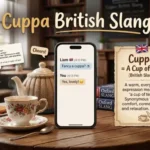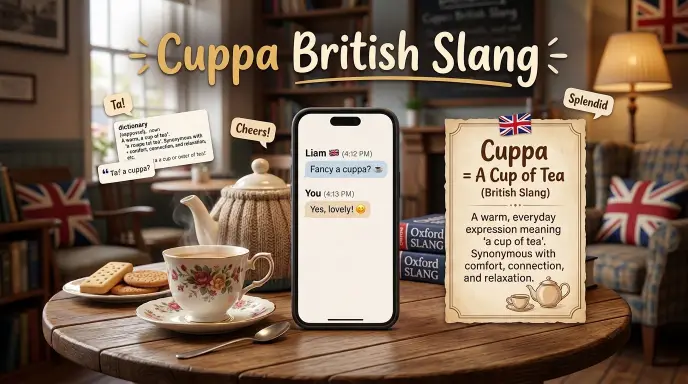
Cuppa British slang is a common British expression that many people use in everyday conversations, especially when talking about tea.
If you have watched British movies, TV shows, or social media videos, you may have heard someone say, “Fancy a cuppa?” or “I need a cuppa.”
People often search for this slang because they want to understand British English, texting language, or casual phrases used by native speakers.
Unlike many internet slang terms, “cuppa” is not a modern texting abbreviation. It is a traditional informal word that has become strongly connected with British culture and friendly conversations.
You will commonly hear it in spoken English, messages between friends, social media posts, and casual chats. It creates a warm, relaxed feeling and is often used when someone wants to offer comfort, take a break, or enjoy a simple moment.
What Does Cuppa Mean in Text?
The word cuppa is a shortened informal form of “cup of”. In British slang, it usually means a cup of tea.
For example:
- “Would you like a cuppa?”
Meaning: “Would you like a cup of tea?” - “I’m making myself a cuppa.”
Meaning: “I’m making myself some tea.”
When used in texting, “cuppa” keeps the same meaning. People may type it when chatting casually with friends, family, or coworkers.
Example:
Friend: “Long day at work?”
Reply: “Yeah, definitely need a cuppa!”
Here, the person means they want a relaxing cup of tea.
Cuppa Full Form / Definition
The full phrase behind cuppa is:
Cuppa = Cup of (usually tea)
It is created by combining the sounds of the words:
cup + of + a cuppa
This type of shortening is common in informal British speech. The word is not considered incorrect, but it is usually avoided in formal writing.
Examples:
- “I’ll have a cuppa before bed.”
- “Let’s sit down and have a cuppa.”
- “She offered me a cuppa when I arrived.”
In most situations, British speakers understand “cuppa” as tea unless another drink is clearly mentioned.
Cuppa Meaning Slang: Is It Only About Tea?
Although cuppa british slang usually refers to tea, the meaning can change slightly depending on context.
1. A Cup of Tea (Most Common Meaning)
This is the main meaning of “cuppa.”
Example:
“I’m tired. I’m going to make a cuppa.”
Meaning:
“I’m going to make a cup of tea.”
Tea is deeply connected with British culture, so “cuppa” often represents more than just a drink. It can symbolize relaxation, friendship, and taking a short break.
2. A Cup of Another Drink (Less Common)
Sometimes “cuppa” can refer to another drink if the speaker explains it.
Examples:
- “I’ll have a cuppa coffee.”
- “She made a cuppa hot chocolate.”
However, many British speakers naturally assume that “cuppa” means tea.
Is Cuppa Rude, Offensive, or Neutral?
Cuppa is completely neutral and friendly slang.
It is not rude, offensive, or inappropriate. In fact, it often creates a welcoming feeling.
People use it when they want to:
- Offer someone comfort
- Start a friendly conversation
- Take a break
- Show hospitality
Examples:
Friendly:
“Come in and have a cuppa.”
Meaning:
“Come inside and have some tea.”
Professional but casual:
“Let’s grab a cuppa and discuss the project.”
The phrase is informal, so it may not fit very formal situations like business reports, academic writing, or official documents.
Where Is Cuppa Commonly Used?
United Kingdom
“Cuppa” is most strongly associated with British English. It is widely used across England, Scotland, Wales, and Northern Ireland.
People use it in:
- Daily conversations
- Workplace chats
- Family discussions
- Text messages
- TV shows
- Movies
Australia and Other English Speaking Countries
The word may also be understood in places influenced by British English, including Australia and New Zealand.
However, it is not used as frequently everywhere as it is in the UK.
Social Media and Online Conversations
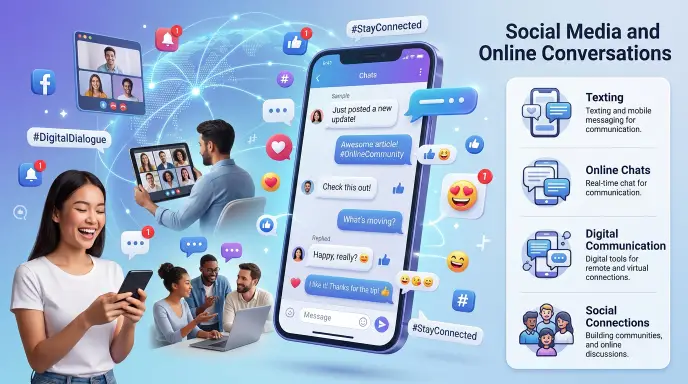
Unlike internet slang such as “LOL” or “BRB,” cuppa is not mainly a digital slang term. Still, it appears online in casual content.
You may see it on:
- Instagram captions
- TikTok videos
- Reddit discussions
- Snapchat messages
- Text conversations
Examples:
- “Rainy day + a cuppa = perfect.”
- “Nothing beats a morning cuppa.”
People often use it online to create a cozy or relatable feeling.
Origin and Background of Cuppa
The word cuppa developed from everyday British pronunciation. When people speak quickly, “cup of” naturally blends together and sounds like “cuppa.”
This type of word formation is common in informal English. Similar examples include:
- gonna = going to
- wanna = want to
- kinda = kind of
However, “cuppa” has become especially popular because of Britain’s long relationship with tea.
Tea became a major part of British social culture, and offering someone tea became a common way to show kindness and hospitality. Over time, “cuppa” became a familiar expression representing a simple, comforting drink.
Why Do People Use the Word Cuppa?
People use cuppa because it feels:
Friendly
“Cuppa” sounds warmer than simply saying “tea.”
Example:
“Fancy a cuppa?”
feels more inviting than:
“Do you want tea?”
Relaxing
Many people associate tea with rest and comfort.
Example:
“After that stressful meeting, I need a cuppa.”
Casual
It fits naturally into everyday conversations.
Example:
“I’ll call you after my cuppa.”
Real Life Examples of Cuppa Usage
Friendly Conversation
Person A: “Want anything to drink?”
Person B: “A cuppa would be great.”
Meaning: A cup of tea would be great.
Casual Text Message
Friend: “How are you feeling today?”
Reply: “Better now. Just having a cuppa.”
Meaning: The person is drinking tea.
Workplace Context
Coworker: “Need a break?”
Reply: “Yeah, let’s grab a cuppa.”
Meaning: Let’s take a short break and have tea.
Social Media Caption
“Cold weather, warm blanket, and a cuppa ☕”
Meaning: Enjoying tea during a relaxing moment.
Comparison With Similar Terms
| Term | Meaning | Usage |
| Cuppa | A cup of tea | British informal speech |
| Tea | A hot drink made from tea leaves | Standard English |
| Brew | A cup of tea or another drink | Common in British slang |
| Chai | Spiced tea | Common in South Asian cultures |
| Coffee break | Time to relax with a drink | Workplace phrase |
Cuppa vs Brew: What Is the Difference?
Both “cuppa” and “brew” are informal British terms, but they have slightly different feelings.
Cuppa:
- More friendly and traditional
- Usually means tea
- Often connected with comfort
Example:
“Let’s have a cuppa.”
Brew:
- More casual and regional
- Can mean tea or another brewed drink
Example:
“I’ll make a brew.”
Both are common, but “cuppa” is more widely recognized internationally.
When to Avoid Using Cuppa
Although cuppa british slang is friendly and widely understood, there are some situations where you should avoid using it. The word is informal, so it is better suited for casual conversations rather than serious or official communication.
You should avoid using “cuppa” in:
- Academic essays
- Legal documents
- Formal business reports
- Professional presentations
- Official emails
For example:
❌ “The meeting will begin after everyone has a cuppa.”
(Too casual for a formal report)
Better:
✅ “The meeting will begin after the refreshment break.”
However, in a friendly workplace chat, using “cuppa” is completely acceptable.
Example:
“I’m heading to the kitchen for a cuppa. Anyone want one?”
This sounds natural and friendly among coworkers.
Polite Alternatives to Cuppa
If you are speaking in a formal situation or with someone unfamiliar with British slang, you can use clearer alternatives.
Some polite alternatives include:
| Informal Term | Formal Alternative |
| Cuppa | Cup of tea |
| Fancy a cuppa? | Would you like some tea? |
| Grab a cuppa | Have a cup of tea |
| Need a cuppa | Would you like a drink? |
Examples:
Casual:
“Want a cuppa?”
Formal:
“Would you like a cup of tea?”
Both sentences have the same purpose, but the tone is different.
Why Cuppa Is Popular in British Communication
The popularity of cuppa is not only because it describes a drink. It also represents a social habit.
In British culture, offering tea is often a way to:
- Welcome guests
- Start conversations
- Show kindness
- Comfort someone
- Create a friendly atmosphere
For many people, saying “Let’s have a cuppa” means more than drinking tea. It can mean:
“Let’s sit down and talk.”
“Let’s take a break.”
Example:
“You look stressed. Come on, let’s have a cuppa.”
The speaker is offering emotional support, not just a drink.
Impact of Using Cuppa in Communication
Words like cuppa add personality to conversations. They make language feel more natural and connected.
Using informal expressions can help people:
Build Friendships
Casual slang creates a relaxed environment.
Example:
“Nice to meet you. Fancy a cuppa?”
This sounds warmer than a very formal greeting.
Show Cultural Understanding
People learning British English often use words like “cuppa” to better understand everyday communication.
It helps learners recognize that native speakers often shorten phrases in casual speech.
Create a Friendly Tone
Compare these:
“I will drink tea.”
“I’m going to have a cuppa.”
The second sentence feels more personal and relaxed.
Is Cuppa Safe for Social Media?
Yes, cuppa is completely safe for social media use.
It is a harmless expression and does not contain any offensive meaning.
People commonly use it in:
- Instagram captions
- TikTok videos
- Facebook posts
- Reddit conversations
- Snapchat messages
- Casual texting
Examples:
Instagram caption:
“Starting my morning with a fresh cuppa ☕”
TikTok comment:
“This video made me want a cozy cuppa.”
Reddit comment:
“Nothing better than a rainy evening and a cuppa.”
The word often appears with emojis like ☕ because it creates a cozy, relaxing feeling.
Cuppa Examples in Different Tones
1. Friendly Tone
Example:
“Come over this weekend. We’ll have a cuppa and catch up.”
Meaning:
The person wants to relax and talk with a friend.
2. Casual Tone
Example:
“Just making a cuppa before I start work.”
Meaning:
The person is preparing tea.
3. Comforting Tone
Example:
“You’ve had a rough day. Have a cuppa and relax.”
Meaning:
The speaker is offering kindness.
4. Funny Tone
Example:
“My biggest achievement today was making a perfect cuppa.”
Meaning:
A humorous way to say tea improved the day.
5. Gaming or Online Community Context
“Cuppa” is not gaming slang, but gamers from English speaking countries may still use it in casual chats.
Example:
“BRB, making a cuppa.”
Meaning:
“I’ll be right back; I’m making tea.”
Common Phrases With Cuppa
“Fancy a cuppa?”
This is one of the most famous uses.
Meaning:
“Would you like a cup of tea?”
Example:
“You’ve been working for hours. Fancy a cuppa?”
“A nice cuppa”
This emphasizes comfort or enjoyment.
Example:
“A nice cuppa is exactly what I need today.”
“Grab a cuppa”
Meaning:
“To quickly get a cup of tea.”
Example:
“I’m going to grab a cuppa before the movie starts.”
“Put the kettle on”
This phrase is closely connected with cuppa culture.
Meaning:
“Start making tea.”
Example:
“Everyone looks tired. I’ll put the kettle on.”
Common Mistakes About Cuppa
Mistake 1: Thinking It Is Internet Slang
Some people think “cuppa” is a modern texting abbreviation. It is not.
It existed long before social media and comes from spoken British English.
Mistake 2: Assuming It Always Means Any Drink
While “cuppa” technically comes from “cup of,” most people understand it as tea.
If you mean coffee or another drink, it is better to specify.
Example:
Clear:
“A cuppa coffee.”
Common assumption:
“A cuppa.” = tea
Mistake 3: Using It in Very Formal Writing
“Cuppa” is natural in conversation but not suitable for official documents.
Frequently Asked Questions About Cuppa British Slang
1. What does cuppa mean in British slang?
Cuppa means a cup of tea in British slang. It is a shortened form of “cup of” and is commonly used in casual conversations.
2. Is cuppa only used in the UK?
No. While it is strongly associated with British English, some people in other English speaking countries also understand and use it.
3. Is cuppa a rude word?
No. Cuppa is a friendly and neutral expression. It is often used to show hospitality and kindness.
4. What does “fancy a cuppa” mean?
“Fancy a cuppa?” means “Would you like a cup of tea?” It is a very common friendly British phrase.
5. Can I use cuppa in text messages?
Yes. Cuppa works well in casual texting, especially when chatting with friends or family.
Example:
“Morning! Having my first cuppa ☕”
6. Does cuppa mean coffee?
Usually, no. Most people understand “cuppa” as tea. If you mean coffee, it is better to say “cuppa coffee.”
Conclusion:
Cuppa british slang is a simple but meaningful expression that represents much more than just a cup of tea. It is a friendly British term used in everyday conversations, messages, and social situations.
The word comes from “cup of” and usually refers to tea. People use it to create a relaxed, welcoming, and comfortable tone. if someone says “Fancy a cuppa?” or “I need a cuppa,” the phrase often carries a feeling of friendliness and connection.
Although it is safe and popular on social media, remember that “cuppa” is informal. Use it in casual conversations, but choose more formal words in professional or academic writing.
Understanding slang like “cuppa” helps language learners communicate more naturally and better understand how native speakers use English in real life.
I enjoy writing about English vocabulary and making difficult words easier to understand. I create simple guides on synonyms, word meanings, example sentences, quizzes, and everyday English to help students, ESL learners, and writers improve their vocabulary. Before publishing any article, I research trusted dictionaries and language resources to keep the information clear and accurate. My goal is to make learning English simple, practical, and enjoyable for everyone.