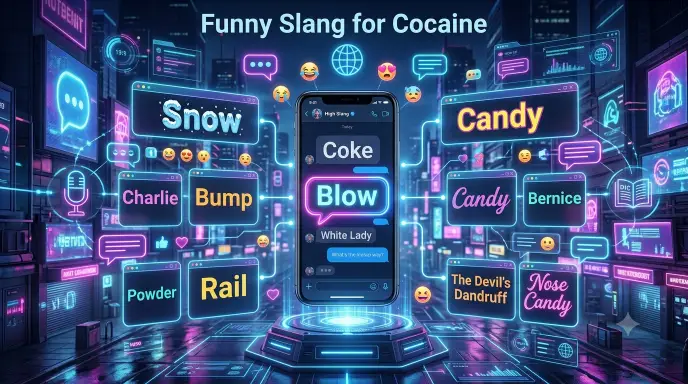
Funny slang for cocaine refers to playful, unusual, or humorous words and phrases that people may use as nicknames for cocaine in conversations, movies, music, or online discussions.
These terms are often created through humor, coded language, pop culture, or attempts to avoid saying the direct name of the drug.
People search for funny slang for cocaine because they may hear these expressions in songs, films, social media posts, or conversations and want to understand what they mean. Some slang terms sound harmless or silly, but their meaning can depend heavily on the situation.
This guide explains common humorous nicknames associated with cocaine, where they appear, what they mean, and why context matters when interpreting them.
Quick Answer:funny slang for cocaine
Funny slang for cocaine includes joking or creative nicknames people use to refer to the drug. These expressions are usually found in entertainment, conversations, or online discussions, but meanings can vary by region and context.
━━━━━━━━━━━━━━━━━━━━━━━━━━━━━━━━━━━━━━━━━━
What Does Funny Slang for Cocaine Mean?
Funny slang for cocaine refers to playful names, jokes, or coded expressions connected to cocaine.
Unlike normal vocabulary, slang often changes quickly. A term that is popular in one group, city, or online community may not be understood somewhere else.
People may use humorous slang for different reasons:
- To make a serious topic sound casual.
- To create inside jokes within a group.
- To reference music or entertainment.
- To avoid directly saying a sensitive word.
However, a funny name does not change what the word refers to. Cocaine is still a powerful illegal stimulant that can cause serious health and legal risks.
Understanding slang is useful because it helps people recognize references in conversations, songs, films, and online content.
━━━━━━━━━━━━━━━━━━━━━━━━━━━━━━━━━━━━━━━━━━
Full Meaning and Definition of Cocaine Slang
Cocaine slang refers to informal words or phrases that are used to describe cocaine without using its standard name.
These expressions can come from different sources:
Street and Regional Language
Some slang develops within local communities. Different cities or countries may have their own expressions.
A term used in one area may sound unfamiliar somewhere else.
Entertainment and Media
Movies, television shows, and music often introduce slang terms to wider audiences.
People may recognize these expressions from fictional characters, lyrics, or online clips.
Internet Culture
Online communities sometimes create humorous names through memes, jokes, or discussions.
A phrase may become popular online even if it is not commonly used in everyday speech.
Because slang changes over time, not every term has a clear origin. Some expressions have multiple possible backgrounds.
━━━━━━━━━━━━━━━━━━━━━━━━━━━━━━━━━━━━━━━━━━
Why Do People Use Funny Slang for Cocaine?
People use humorous slang for cocaine for several reasons.
To Create Humor
Some expressions are intentionally silly or exaggerated. Humor can make a conversation feel less serious.
Example:
A person may repeat a phrase from a movie or joke without actually discussing real drug use.
To Reference Pop Culture
Songs, movies, and television programs often include drug related slang. Viewers may repeat these terms because they recognize the reference.
To Hide Meaning
Historically, some slang terms have been used as coded language so outsiders do not immediately understand the conversation.
This does not mean every person using slang is trying to hide something. Context matters.
To Fit Into a Group
Groups often create their own vocabulary. Slang can become a way of showing familiarity or belonging.
━━━━━━━━━━━━━━━━━━━━━━━━━━━━━━━━━━━━━━━━━━
Is Funny Slang for Cocaine Harmless or Serious?
Funny slang for cocaine can sound harmless because of the humorous wording, but the meaning behind the term may still relate to a serious subject.
The tone depends on the situation.
| Context | Possible Meaning |
| Comedy or entertainment | A joke, reference, or fictional phrase |
| Music lyrics | A cultural reference or storytelling element |
| Private conversations | May refer to actual drug use |
| Online comments | Could be a meme, joke, or serious discussion |
A person should not assume a slang term is harmless just because it sounds funny.
Some people use these expressions casually, while others use them in conversations about real substance use.
━━━━━━━━━━━━━━━━━━━━━━━━━━━━━━━━━━━━━━━━━━
Common Types of Funny Cocaine Nicknames
Many humorous slang terms are created by making a word sound playful, unusual, or unrelated.
Common patterns include:
Food Based Nicknames
Some slang uses food-related words because they sound less serious or create humor.
These names are often confusing to people who are not familiar with the context.
Animal or Object References
Some expressions compare cocaine to random objects, characters, or ideas.
The humor usually comes from the unexpected comparison.
Pop Culture References
Some terms come from movies, songs, internet jokes, or famous characters.
These may become popular for a short time before disappearing.
Made Up Words
Slang communities often invent new words. These may spread quickly online but disappear just as fast.
━━━━━━━━━━━━━━━━━━━━━━━━━━━━━━━━━━━━━━━━━━
Where Is Cocaine Slang Commonly Used?
Funny slang connected to cocaine can appear in different places, including:
Music and Entertainment
Rap, movies, and television sometimes include drug-related slang as part of storytelling.
The appearance of a term does not always mean the creator supports or encourages drug use. It may simply represent a character, setting, or real-world situation.
Social Media
Platforms such as TikTok, Reddit, Instagram, and X may contain discussions, jokes, or references involving slang.
Users should remember that online posts often use exaggeration, humor, or fictional content.
Text Messages and Private Chats
Some people use slang in personal conversations because it feels shorter or more casual.
The meaning depends on the people involved and the surrounding conversation.
━━━━━━━━━━━━━━━━━━━━━━━━━━━━━━━━━━━━━━━━━━
Funny Slang for Cocaine in Online Culture
Online culture has changed how slang spreads.
A phrase can become popular because of:
- Memes.
- Viral videos.
- Music references.
- Comments and discussions.
- Internet jokes.
However, online popularity does not always mean a term is widely understood.
A slang phrase that trends on one platform may be unknown on another.
For example, a term used in a Reddit discussion may not have the same meaning on TikTok or Discord.
Understanding the platform helps explain the tone behind the word.
━━━━━━━━━━━━━━━━━━━━━━━━━━━━━━━━━━━━━━━━━━
Different Meanings of Funny Slang for Cocaine
Funny slang for cocaine does not always have one fixed meaning. The same phrase may mean different things depending on the speaker, location, and situation.
Understanding the context is the most important part of interpreting slang.
Meaning 1: A Joke or Pop Culture Reference
Sometimes people use funny cocaine related slang as a joke, meme, or reference to a movie, song, or online trend.
In this case, the person may not be talking about actual drug use.
Example:
“That movie character had the funniest fake slang.”
Here, the focus is on entertainment rather than real life use.
Meaning 2: A Hidden Reference in Conversation
Some slang terms are used as substitute words when people do not want to say the direct name of a substance.
The meaning depends on the people involved and the conversation.
Example:
A person may hear an unfamiliar phrase in a song and need context to understand that it refers to cocaine.
Meaning 3: A Description Used in Storytelling
Writers, musicians, and filmmakers may use slang to create realistic dialogue for a character or setting.
The use of a term in media does not automatically mean approval or encouragement.
It may simply reflect how people speak in a certain environment.
━━━━━━━━━━━━━━━━━━━━━━━━━━━━━━━━━━━━━━━━━━
Examples of Funny Cocaine Related Slang in Different Contexts
Examples help show why context matters when understanding slang.
Entertainment Example
A viewer hears a character use a strange nickname for cocaine in a comedy show.
Meaning:
The phrase is being used as part of a joke or fictional story.
Music Example
A listener hears an unfamiliar slang word in a song lyric.
Meaning:
The term may be part of the artist’s storytelling style or cultural reference.
Online Discussion Example
Someone comments about a slang phrase they heard online.
Meaning:
They may simply be asking about the meaning, not discussing personal use.
Conversation Example
A person uses a coded term during a private conversation.
Meaning:
The phrase may have a specific meaning understood only by that group.
━━━━━━━━━━━━━━━━━━━━━━━━━━━━━━━━━━━━━━━━━━
Origin and History of Cocaine Slang
Cocaine-related slang has developed over many decades.
The exact origin of many humorous terms is difficult to verify because slang often spreads through informal conversations rather than official records.
Several influences have shaped cocaine slang:
Street Culture
Local communities have created informal names for substances as part of everyday language.
These terms often change from place to place.
Music and Entertainment
Songs, movies, and television have helped spread some expressions to wider audiences.
A phrase that begins in a small community can become recognized internationally after appearing in popular media.
Internet Communities
Modern platforms allow slang to spread faster than ever.
A joke, meme, or viral post can introduce a new expression within a short time.
However, many internet slang terms are temporary and may disappear quickly.
━━━━━━━━━━━━━━━━━━━━━━━━━━━━━━━━━━━━━━━━━━
How Cocaine Slang Changes Across Generations
Slang has a life cycle.
Some expressions become popular for a short period and then become outdated.
Different generations may recognize different terms.
For example:
- Older generations may know slang from music or street culture.
- Younger users may recognize terms from memes or social media.
- Online communities may create new expressions that older speakers do not understand.
This is why slang should always be interpreted through context rather than by the word alone.
━━━━━━━━━━━━━━━━━━━━━━━━━━━━━━━━━━━━━━━━━━
Comparison With Similar Drug Related Slang Categories
Different substances and topics often have their own slang systems.
| Category | Purpose of Slang |
| Cocaine-related slang | Informal references connected to cocaine |
| Cannabis slang | Informal terms connected to marijuana |
| Alcohol slang | Casual expressions for drinking or alcohol use |
| General internet slang | Words created for online communication |
The existence of slang does not make a substance safe or harmless. These terms are mainly part of language and communication.
━━━━━━━━━━━━━━━━━━━━━━━━━━━━━━━━━━━━━━━━━━
Why People Search for Funny Slang for Cocaine
People search for this phrase for many reasons.
Common reasons include:
- Understanding lyrics in songs.
- Understanding movie dialogue.
- Learning internet expressions.
- Researching language and slang.
- Understanding conversations they have seen online.
A person may come across an unusual phrase and want to know if it is a joke, a reference, or a serious term.
Learning slang meanings can improve understanding, especially when watching media or communicating online.
━━━━━━━━━━━━━━━━━━━━━━━━━━━━━━━━━━━━━━━━━━
Is Funny Slang for Cocaine Used on Social Media?
Yes, cocaine related slang can appear on social media, but the meaning varies greatly.
TikTok
Users may encounter slang through:
- Comedy videos.
- Music clips.
- Discussions.
- Memes.
A trending phrase may be used as humor rather than a serious reference.
Reddit communities often discuss slang meanings, culture, and language.
Users may ask questions about unfamiliar terms.
Discord
Private communities may develop their own inside jokes and expressions.
A phrase that means one thing in one server may mean something else elsewhere.
Instagram and Snapchat
Slang may appear in captions, comments, or private messages.
Because these platforms include many different audiences, interpretation can be difficult without context.
━━━━━━━━━━━━━━━━━━━━━━━━━━━━━━━━━━━━━━━━━━
Professional and Workplace Appropriateness
Funny cocaine slang is generally not appropriate in professional environments.
Workplace communication usually requires clear and respectful language.
For example:
Less appropriate:
Avoid using shocking as it is potentially harmful.
Better:
“That meeting was intense and surprising.”
Professional settings depend on trust and clear communication.
Using drug related jokes or slang may create confusion or make others uncomfortable.
━━━━━━━━━━━━━━━━━━━━━━━━━━━━━━━━━━━━━━
Similar Slang Terms Related to Cocaine
People use many different words when referring to cocaine in conversations, movies, music, and online discussions. Some terms are old, while others appear in specific communities or regions. The meaning can change depending on the speaker, situation, and tone.
It is important to remember that slang words are not official names. A word that means cocaine in one conversation may have a completely different meaning somewhere else.
| Slang Term | General Meaning | Usage Context |
| Coke | Common shortened name for cocaine | Everyday conversation, media, discussions |
| Snow | Refers to the white appearance of cocaine | Older slang usage |
| Powder | Describes the physical form | Casual references |
| White girl | A slang expression sometimes used for cocaine | Informal conversations |
| Blow | Older slang term for cocaine | Movies, music, older references |
| Party powder | A joking phrase connected with party culture | Informal or humorous contexts |
Some of these expressions may sound playful, but they often refer to a serious and illegal substance. The humor usually comes from the creativity of the language, not from the effects or consequences of the drug.
━━━━━━━━━━━━━━━━━━━━━━━━━━━━━━━━━━━━━━
Why Do People Use Funny Slang for Cocaine?
People create funny or unusual slang for many reasons. In general, slang develops because groups create their own vocabulary to communicate in a way that feels private, creative, or socially connected.
Some common reasons include:
1. Avoiding direct words
Historically, people have used coded language for many sensitive topics. Slang can make a conversation feel less direct.
For example, someone may use a nickname instead of saying the actual substance name.
2. Creating group identity
Certain communities develop their own words and phrases. Shared slang can make people feel like they belong to the same group.
3. Humor and wordplay
Some slang terms sound funny because they use unexpected comparisons, exaggeration, or playful language.
4. Influence from media
Movies, songs, television, and internet culture often spread slang terms. A phrase may become popular because people hear it repeatedly in entertainment.
However, popularity does not always mean a term is widely understood. Slang changes quickly, and some expressions become outdated.
━━━━━━━━━━━━━━━━━━━━━━━━━━━━━━━━━━━━━━
Common Misunderstandings About Cocaine Slang
One major problem with slang is that meanings are not always clear.
A word may have multiple interpretations depending on the situation.
For example:
- A person may use a slang word jokingly.
- Someone else may understand it as a reference to cocaine.
- Another person may think it has a completely different meaning.
This is why context matters.
Slang dictionaries explain possible meanings, but they cannot determine exactly what someone means in every conversation.
Before interpreting a word, consider:
- Who said it?
- Where was it used?
- What was the conversation about?
- Was it online or in person?
- Was the tone serious, joking, or sarcastic?
━━━━━━━━━━━━━━━━━━━━━━━━━━━━━━━━━━━━━━
Funny Slang for Cocaine in Movies and Music
Entertainment has played a major role in spreading slang vocabulary.
Writers often include slang because it helps show:
- a character’s background
- a specific time period
- a certain social environment
- realistic dialogue
A movie character using slang does not mean the expression is common in everyday life.
Many terms become famous because they appear in:
- crime dramas
- documentaries
- rap lyrics
- television shows
- online discussions about pop culture
When watching entertainment, it helps to understand that fictional conversations may exaggerate real life language.
━━━━━━━━━━━━━━━━━━━━━━━━━━━━━━━━━━━━━━
When Should You Avoid Using Cocaine Slang?
Even if a slang term sounds funny, it is not suitable for every situation.
Avoid using drug related slang:
- In professional emails
- At school or educational settings
- During workplace conversations
- With people who may misunderstand the meaning
- In public posts where context is unclear
A joke between close friends may be understood differently by coworkers, teachers, employers, or family members.
Words connected to illegal substances can create confusion or make someone uncomfortable.
━━━━━━━━━━━━━━━━━━━━━━━━━━━━━━━━━━━━━━
Professional and Social Communication: Is It Appropriate?
In most professional situations, cocaine-related slang should be avoided.
Workplace communication usually requires:
- clear language
- respectful wording
- fewer misunderstandings
Even if someone knows the slang meaning, using it casually at work can create an unprofessional impression.
For educational writing, journalism, research, or language explanation, discussing these terms is different because the purpose is understanding rather than using the slang casually.
━━━━━━━━━━━━━━━━━━━━━━━━━━━━━━━━━━━━━━
Polite Alternatives for Discussing Cocaine
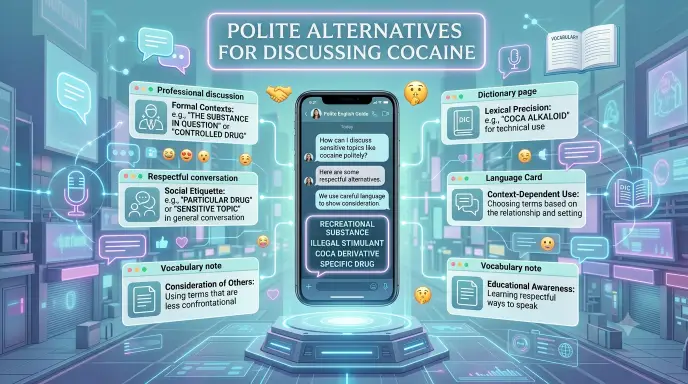
If you need to talk about the topic clearly, use direct and neutral language instead of slang.
Better alternatives include:
- cocaine
- cocaine use
- Cocaine related language
- Drug related slang
- substance use terminology
These terms are easier to understand and reduce confusion.
━━━━━━━━━━━━━━━━━━━━━━━━━━━━━━━━━━━━━━
Why Understanding Slang Matters
Understanding slang is useful because language appears everywhere:
- online conversations
- entertainment
- social media
- news articles
- books
- music
Knowing what a word means helps people understand messages accurately.
For parents, teachers, and educators, understanding slang can help them recognize conversations without making quick assumptions.
For writers and journalists, accurate slang knowledge helps explain language in the right context.
━━━━━━━━━━━━━━━━━━━━━━━━━━━━━━━━━━━━━━
Frequently Asked Questions About Funny Slang for Cocaine
Q1. Why are there funny slang names for cocaine?
Funny slang names often develop because people use humor, creativity, or indirect language when talking about sensitive topics. The humor is usually connected to the wording, not the substance itself.
Q2. Are all cocaine slang words jokes?
No. Some slang terms may sound playful, but they can still refer to a serious topic. The meaning depends on the speaker, situation, and conversation.
Q3. Is “coke” always slang for cocaine?
Not always. “Coke” can also refer to Coca Cola or other meanings depending on the context. The surrounding conversation determines the meaning.
Q4. Are cocaine slang terms still popular online?
Some terms appear online, especially in discussions about music, movies, and internet culture. However, slang changes quickly, and many expressions become outdated over time.
Q5. Should I use funny cocaine slang words in conversations?
Generally, avoid using them unless you clearly understand the context and audience. Drug related slang can easily be misunderstood.
Q6. Why do people search for funny slang for cocaine?
People often search for these terms because they hear them in songs, movies, online conversations, or social media and want to understand what they mean.
Q7. What do the British call cocaine?
In British slang, cocaine may be called coke, Charlie, snow, or white. These are informal terms used in conversations, but meanings can vary by region and context.
Q8. What nicknames does coke have?
Common nicknames for cocaine include coke, blow, snow, powder, and Charlie. These slang terms are often used in casual speech or popular culture.
Q9. What is the Cockney slang for cocaine?
In Cockney slang, cocaine has been referred to as “Charlie” or “Charlie S”. These terms come from rhyming slang and older street language.
Q10. What are some slangs for drugs?
Some general drug slang terms include stuff, gear, dope, stash, and party favors. The exact meaning depends on the drug, location, and the people using the term.
━━━━━━━━━━━━━━━━━━━━━━━━━━━━━━━━━━━━━━
Conclusion:
Funny slang for cocaine refers to the creative, informal words people have used to describe cocaine in different cultures, conversations, and media. These expressions often come from humor, coded communication, or social trends.
However, slang meanings are not always fixed. A word that refers to cocaine in one situation may have another meaning somewhere else. Context is the key to understanding any slang term correctly.
Learning these expressions can help people understand online conversations, entertainment, and modern language. At the same time, it is important to use this knowledge responsibly and recognize that some slang terms relate to serious subjects.
The best way to understand slang is to look beyond the word itself and consider the situation, speaker, and message behind it.

I’m Emily Carter, and I enjoy writing about slang, internet language, and modern English expressions. My goal is to explain word meanings in a simple, clear, and easy-to-understand way so anyone can learn with confidence.