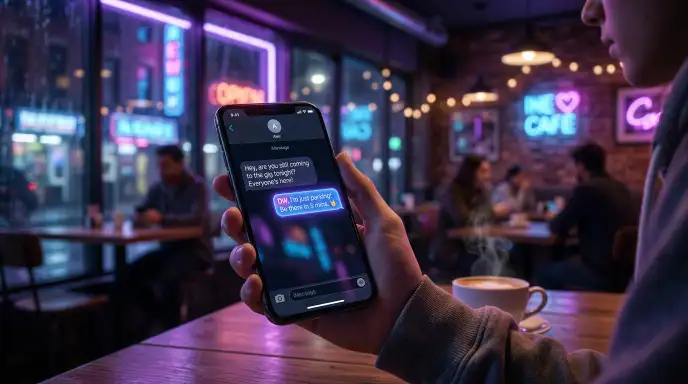
DW meaning slang most commonly stands for “Don’t Worry.” People use it in text messages, social media, online chats, and gaming to reassure someone or tell them everything is okay.
Depending on the conversation, “DW” can also have other meanings, so understanding the context is important.
If you searched for “dw meaning slang,” you probably saw someone type “dw” in a message and wanted to know what it meant. In most cases, it simply means “Don’t Worry.”
However, the abbreviation can have a few other meanings in different communities. This guide explains the full meaning of DW, where people use it, if it is rude, real life examples, its origin, and when you should avoid using it.
Quick Answer: DW Meaning Slang
DW meaning slang usually means “Don’t Worry.” It is a friendly abbreviation used to comfort someone, reduce concern, or say that a problem is not important. You will often see it in texting, social media, gaming chats, and messaging apps like WhatsApp, Snapchat, Discord, Instagram, and Messenger.
What Does DW Meaning Slang Mean?
In internet slang, DW is short for “Don’t Worry.” It tells another person that everything is fine or that they should not stress about something.
People use it because it is quick to type and easy to understand.
For example:
- “DW, I already finished the project.”
- “DW, you’ll do great in your exam.”
- “DW about it. It wasn’t your fault.”
The tone is usually friendly, supportive, and reassuring.
A Simple Definition
Think of DW as another way to say:
- Don’t worry.
- It’s okay.
- No problem.
- Everything is fine.
- You’re good.
Instead of typing the full sentence, people simply write “DW.”
Full Form of DW
The most common full form is:
| Abbreviation | Full Form | Common Use |
| DW | Don’t Worry | Texting, social media, gaming, chat |
Although “Don’t Worry” is the meaning most people expect, DW can stand for different phrases in other situations.
Different Meanings of DW
The meaning of DW depends on where you see it.
DW = Don’t Worry
This is the most popular internet slang meaning.
Example:
Alex: “Sorry I’m running late.”
Emma: “DW. I’m still getting ready.”
Here, Emma is simply telling Alex not to worry.
DW = Dear Wife
Some people use DW in family forums, parenting groups, blogs, or emails to mean “Dear Wife.”
Example:
“My DW planned our vacation.”
This meaning is much less common in texting between friends.
DW = Doctor Who
Fans of the famous television series sometimes use DW when discussing the show.
Example:
“I’m watching DW tonight.”
Here, DW refers to the TV series instead of slang.
Why Context Matters
The same abbreviation can have different meanings.
For example:
- “DW, I fixed it.” Don’t Worry.
- “My DW loves gardening.” Dear Wife.
- “DW Season 15 was amazing.” Doctor Who.
Always read the rest of the conversation before deciding what DW means.
Where Is DW Commonly Used?
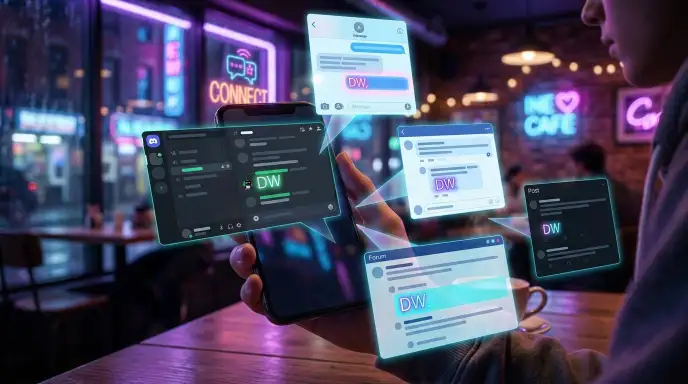
People use DW in many online conversations because it saves time.
Text Messages
Friends often use DW to comfort each other.
Example:
“DW, I’ll pick you up after school.”
Snapchat
DW appears in quick replies and private chats.
Example:
“DW, I already sent the streak.”
People use DW in direct messages and comment replies.
Example:
“DW, your photo looks great.”
Discord
Gamers and online communities use DW during conversations.
Example:
“DW, we’ll win the next match.”
TikTok
People sometimes write DW in comments to reassure creators or viewers.
Example:
“DW, everyone makes mistakes.”
Users often reply with DW when helping someone solve a problem.
Example:
“DW, that error happens all the time.”
Gaming
Online teammates use DW to keep morale high.
Example:
“DW, we can still make a comeback.”
Is DW Rude, Offensive, or Harmless?
DW is generally a harmless and polite abbreviation.
It is not considered offensive or insulting.
However, the tone depends on how it is used.
| Situation | Appropriate? | Tone |
| Talking with friends | Yes | Friendly |
| Family chats | Yes | Caring |
| Gaming | Yes | Encouraging |
| Social media | Yes | Casual |
| School group chats | Usually | Informal |
| Workplace messages | Sometimes | Depends on the relationship |
Can You Use DW at Work?
It depends.
If you are chatting with close coworkers, DW is usually acceptable.
Example:
“DW, I already uploaded the file.”
For formal emails or messages to clients, writing “Don’t worry” is more professional than using the abbreviation.
Real Life Examples
Here are some natural examples of how people use DW.
Friendly Conversation
Liam: “Sorry I forgot your book.”
Mia: “DW. Bring it tomorrow.”
Text Message
“I’m almost there.”
“DW, I’m still waiting.”
Gaming Chat
“DW. We still have enough time to win.”
Snapchat
“DW, I’ll reply after class.”
Instagram DM
“DW, your message didn’t bother me.”
Family Chat
“DW. I’ll buy the groceries on my way home.”
School
“DW, I can help you with your homework.”
Workplace Chat
“DW, I already informed the team.”
These examples show that DW usually makes a conversation feel more relaxed and supportive.
Origin and History
The abbreviation DW became popular as online messaging grew in the late 1990s and early 2000s. During that time, people used SMS text messages, internet chat rooms, and instant messaging services where every character mattered.
Instead of typing “Don’t worry,” users shortened it to DW to save time.
As smartphones and social media became more popular, the abbreviation spread to platforms like:
- Snapchat
- Discord
- TikTok
- Facebook Messenger
Today, DW is one of many short abbreviations people use in everyday online conversations. Unlike some internet slang that quickly becomes outdated, DW is still widely understood because its meaning is simple and useful.
Has the Meaning Changed?
Not much.
The primary meaning has remained “Don’t Worry.” While other meanings exist, they belong to different communities and are usually easy to recognize from the surrounding text.
This is why context is more important than the abbreviation itself.
Similar Slang or Related Terms
Many abbreviations have a similar purpose to DW. Some comfort another person, while others make conversations shorter and more casual.
| Slang | Meaning | When People Use It |
| NP | No Problem | Responding to thanks or apologies |
| NVM | Never Mind | Dropping a topic |
| IDC | I Don’t Care | Showing something is unimportant |
| BRB | Be Right Back | Leaving a chat briefly |
| IMO | In My Opinion | Sharing a personal opinion |
| TBH | To Be Honest | Giving an honest thought |
| FYI | For Your Information | Sharing useful information |
| TTYL | Talk To You Later | Ending a conversation |
| SMH | Shaking My Head | Showing disappointment |
| IDK | I Don’t Know | Saying you are unsure |
DW vs NP
Although they seem similar, they are used differently.
DW (Don’t Worry) comforts someone.
Example:
“I’m sorry I made a mistake.”
“DW. It happens.”
NP (No Problem) usually responds after someone thanks or apologizes.
Example:
“Thanks for helping.”
“NP!”
When Should You Avoid Using It?
DW is safe in most casual conversations, but there are situations where writing the full words is a better choice.
Formal Emails
Instead of:
“DW, we’ll review your application.”
Write:
“Don’t worry. We will review your application.”
It sounds more professional.
Business Communication
Clients or customers may not understand internet abbreviations.
Using complete sentences avoids confusion.
Academic Writing
Teachers, professors, and official documents usually expect standard English instead of chat abbreviations.
Speaking With Someone Who Doesn’t Know Internet Slang
Older family members or people unfamiliar with texting abbreviations may misunderstand DW.
In those cases, simply write “Don’t worry.”
Why Do People Use DW?
People like DW because it is quick, friendly, and easy to understand.
Some common reasons include:
- It saves typing time.
- It reassures another person.
- It keeps conversations casual.
- It sounds friendly.
- It reduces unnecessary worry.
- It is widely recognized online.
- It works well in fast moving chats.
Because of these benefits, DW appears in millions of everyday conversations across messaging apps and social media.
Common Misunderstandings
DW is easy to understand, but some people confuse it with other meanings.
Thinking It Always Means “Don’t Worry”
While this is the most common meaning, it is not the only one.
For example:
“My DW enjoys hiking.”
Here, DW means Dear Wife, not “Don’t Worry.”
Assuming It Is Always Slang
Sometimes DW is simply an abbreviation instead of internet slang.
For example:
Fans discussing Doctor Who often shorten the show’s name to DW.
Believing It Is Rude
Some people think short replies sound cold.
In reality, DW is usually meant to comfort someone. The tone depends more on the conversation than on the abbreviation itself.
Thinking It Is Suitable Everywhere
DW works well in casual chats, but it is not always the best choice for formal writing or professional communication.
Can Children and Teenagers Use DW?
Yes.
DW is considered one of the safest internet abbreviations because it simply means “Don’t Worry.”
Parents and teachers generally do not need to be concerned when they see it in messages.
Example:
“DW, I’ll finish my homework before dinner.”
It is a reassuring expression rather than offensive slang.
DW Across Different Platforms
| Platform | Is DW Common? | Typical Meaning |
| Text Messages | Very Common | Don’t Worry |
| Very Common | Don’t Worry | |
| Snapchat | Very Common | Don’t Worry |
| Common | Don’t Worry | |
| Discord | Common | Don’t Worry |
| TikTok | Moderate | Don’t Worry |
| Common | Don’t Worry | |
| Gaming Chats | Very Common | Don’t Worry |
Across nearly every platform, the meaning stays the same.
Only the surrounding conversation determines if another meaning is intended.
Final Thoughts Before Using DW
Before replying with DW, ask yourself:
- Is the conversation casual?
- Will the other person understand the abbreviation?
- Would writing “Don’t worry” sound better?
If the answer to the first two questions is yes, DW is usually a perfect choice.
If the conversation is formal, writing the full phrase is the safer option.
Frequently Asked Questions
Q1. What does DW mean in slang?
DW most commonly means “Don’t Worry.” People use it in text messages, social media, and online chats to reassure someone that everything is okay.
Q2. What does DW stand for in texting?
In texting, DW usually stands for “Don’t Worry.” It is a quick way to comfort someone or tell them not to stress.
Q3. Is DW a slang word or an abbreviation?
DW is an abbreviation that has become part of everyday internet slang because it is widely used in casual online conversations.
Q4. Is DW rude?
No. DW is generally friendly and polite. It is meant to reassure someone, not offend them.
Q5. Can DW have more than one meaning?
Yes. While “Don’t Worry” is the most common meaning, DW can also mean “Dear Wife” in family discussions or “Doctor Who” when people are talking about the TV series. Always check the context.
Q6. Is DW used on Snapchat?
Yes. DW is commonly used on Snapchat in private chats and replies. It almost always means “Don’t Worry.”
Q7. Is DW popular on TikTok and Instagram?
Yes. People use DW in comments, captions, and direct messages on both platforms to reassure friends or followers.
Q8. Can I use DW at work?
You can use DW in casual chats with coworkers if your workplace is informal. For emails, reports, or messages to clients, writing “Don’t worry” is usually more professional.
Q9. Is DW safe for children and teenagers?
Yes. DW is considered a harmless abbreviation. It simply means “Don’t Worry” and does not have an offensive meaning in normal online conversations.
Q10. What is the difference between DW and NP?
DW means “Don’t Worry” and comforts someone who is concerned. NP means “No Problem” and is usually a response after someone says “thank you” or apologizes.
Conclusion:
DW meaning slang is simple once you know the context. In most conversations, it stands for “Don’t Worry,” making it a friendly way to reassure someone that everything is fine. It is widely used in texting, social media, gaming, and messaging apps because it is short, positive, and easy to understand.
Although DW can sometimes mean “Dear Wife” or “Doctor Who,” these meanings are much less common in everyday online chats. Reading the surrounding conversation will usually make the intended meaning clear.
If you are chatting with friends, classmates, or teammates, DW is perfectly natural. For formal emails or professional communication, writing the full phrase “Don’t worry” is usually the better choice.

I’m Emily Carter, and I enjoy writing about slang, internet language, and modern English expressions. My goal is to explain word meanings in a simple, clear, and easy-to-understand way so anyone can learn with confidence.