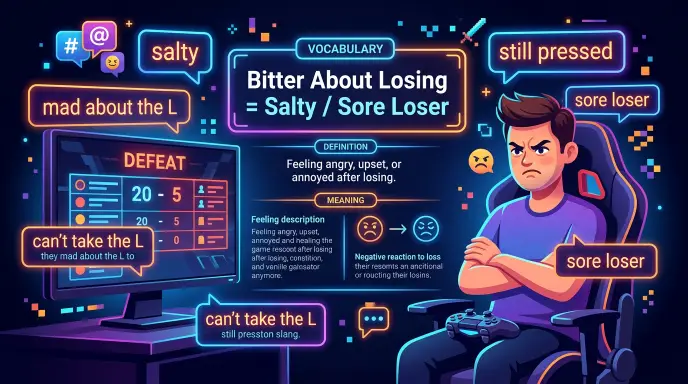
Being bitter about losing in slang means feeling upset, angry, or unable to accept a defeat, especially after a game, competition, argument, or challenge.
People often use phrases like “salty,” “a sore loser,” or “being pressed” to describe someone who reacts badly after losing.
The phrase bitter about losing in slang is commonly searched by people trying to understand online conversations, gaming chats, social media comments, and everyday expressions.
In this guide, you will learn what this slang meaning is, how people use it, if it is rude, and what similar words can describe the same feeling.
Quick Answer: Bitter About Losing in Slang
Bitter about losing in slang usually means being salty, mad, or upset because someone did not win. It describes a person who struggles to accept defeat and may complain, make excuses, or act negatively after losing.
What Does Bitter About Losing in Slang Mean?
The slang meaning of bitter about losing refers to someone who has negative feelings after a loss. Instead of accepting the result calmly, the person may show frustration, blame others, or continue talking about why they should have won.
This phrase is often used in casual conversations, online gaming, sports discussions, and social media arguments. It does not always mean the person is seriously angry. Sometimes it is used jokingly between friends.
For example:
“Bro is still bitter about losing that match yesterday.”
This means the person is still upset because they lost and has not moved on.
The word “bitter” in this context describes a strong negative feeling. It is not about a taste like bitter food. It describes an emotional reaction.
Common Slang Words for Being Bitter About Losing
Different online communities use different slang terms to describe someone who cannot handle losing. The meaning can change slightly depending on the situation.
Salty
“Salty” is one of the most common slang words for someone who is upset after losing.
It is often used in gaming, sports, and social media conversations. A salty person may complain, argue, or make excuses after a defeat.
Examples:
“You’re just salty because I won.”
“He got salty after losing the tournament.”
Salty is usually playful between friends, but it can sound insulting if used during a serious argument.
Sore Loser
“Sore loser” is a common phrase for someone who reacts badly when they lose.
It can describe a person who refuses to accept defeat or becomes negative toward the winner.
Examples:
“She is being a sore loser after the competition.”
“Don’t be a sore loser. It was just a game.”
This phrase is understood by most English speakers and is not limited to internet slang.
Pressed
“Pressed” means bothered, annoyed, or emotionally affected by something.
Online, people may call someone pressed when they seem overly upset about losing.
Examples:
“Why are you so pressed about losing?”
“He looks pressed because his team lost.”
This term is common on platforms like TikTok, Instagram, and Twitter/X-style conversations.
Why Do People Say Someone Is Bitter About Losing?
People use this expression because losing can create strong emotions. Some people feel embarrassed, disappointed, or frustrated when they do not get the result they wanted.
Common reasons someone may seem bitter after losing include:
- They expected to win.
- They think the result was unfair.
- They want to protect their pride.
- They take competition very seriously.
- They do not like admitting mistakes.
In online spaces, people often use this phrase to call out dramatic reactions. For example, in gaming communities, a player may be called salty if they blame teammates or accuse others of cheating after a loss.
Where Is This Slang Used?
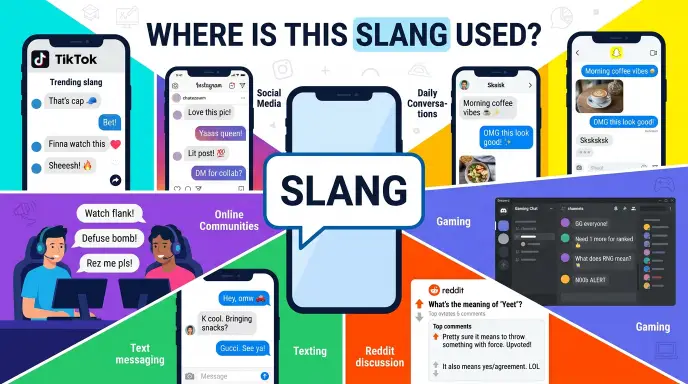
The idea of being bitter about losing appears across many online and real life situations.
Gaming Communities
Gaming is one of the most common places where this expression appears. Players often use slang like “salty” or “rage quit” when someone reacts badly after losing.
Examples:
“He rage quit because he lost the final round.”
“Everyone knew he was salty after the match.”
Games on platforms like Discord communities and online multiplayer games often use these expressions.
Social Media
On platforms like TikTok, Instagram, Reddit, and Snapchat, users may describe someone as bitter when they keep arguing after a disagreement or competition.
Example:
“She lost the challenge and started attacking the winner. She is so salty.”
Sports Conversations
Sports fans also use these terms when players, teams, or supporters complain after a defeat.
Example:
“The fans are still bitter about losing the championship.”
In sports, the phrase can be playful or critical depending on the tone.
Is Bitter About Losing a Slang Term?
Bitter about losing is not a single slang word. It is a common phrase that describes a person’s attitude after defeat. However, slang alternatives like “salty,” “pressed,” and “sore loser” are widely used online and in casual speech.
The phrase itself is easy to understand because it combines two normal English ideas:
- Bitter = angry, upset, or holding negative feelings.
- Losing = failing to win a competition, game, or argument.
Together, “bitter about losing” means someone is unhappy because they lost and may still feel upset afterward.
Different Meanings of Bitter About Losing in Slang
The phrase bitter about losing usually has one main meaning, but the feeling can appear in different situations. The tone changes depending on if someone is joking, criticizing, or describing a serious reaction.
Playful Meaning Among Friends
Among friends, calling someone bitter about losing is often a joke. It may not mean the person is truly angry. It can simply mean they are complaining in a funny way.
Example:
“Bro is still bitter about losing the last game.”
This may be a friendly tease between people who enjoy competition.
Negative Meaning During Arguments
In a serious conversation, the phrase can criticize someone’s attitude. It suggests that the person is refusing to accept the result and is acting unfairly.
Example:
“He is bitter about losing and keeps blaming everyone else.”
Here, the phrase shows frustration with the person’s behavior.
Competitive Meaning
Some people use this phrase for athletes, gamers, or competitors who care deeply about winning. A strong competitive personality is not always negative, but it becomes a problem when someone cannot respect the outcome.
Example:
“She was disappointed after losing, but she was not bitter about it.”
This shows the difference between normal disappointment and unhealthy reactions.
Bitter About Losing vs Being a Good Sport
A person who loses can react in different ways. The main difference is how they handle the result.
| Reaction | Meaning | Example |
| Good sport | Accepts the loss respectfully | “Good game, you played well.” |
| Disappointed | Feels sad but accepts it | “I wanted to win, but I will try again.” |
| Bitter about losing | Stays angry or negative | “The only reason I lost is because everyone cheated.” |
Being upset after losing is normal. The slang meaning usually focuses on someone who keeps showing negative behavior after the event is over.
Common Examples of Bitter About Losing in Conversations
The phrase appears in many everyday situations. The meaning depends on the relationship between speakers and the tone.
Text Message Example
Person 1:
“You lost fair and square.”
Person 2:
“I only lost because my internet stopped working.”
This example shows someone making excuses after a defeat.
Gaming Example
A player loses an online match and immediately complains that the opponent was unfair.
Someone might say:
“He is so salty. He is bitter about losing.”
The phrase describes frustration after the game.
Social Media Example
A person loses a debate online and continues posting angry comments about the winner.
Another user may comment:
“Still bitter about losing the argument?”
Here, the phrase suggests the person cannot move past the disagreement.
School or Workplace Example
A student loses a competition and complains that the judges were unfair.
A coworker loses a promotion and continues criticizing the person who got it.
In both cases, people may describe the reaction as being bitter about losing.
Is Bitter About Losing Rude, Offensive, or Harmless?
Bitter about losing is usually harmless slang. It is not a swear word or offensive expression. However, it can sound insulting because it criticizes someone’s attitude.
The tone matters.
Friendly Use
Between friends, it can be playful:
“You’re just bitter about losing that video game.”
This is usually lighthearted.
Serious Use
During an argument, it can sound like an attack:
“You are only saying that because you are bitter about losing.”
This suggests the person’s opinion is not valid because they are upset.
It is best to consider the relationship before using it.
Can You Use Bitter About Losing at Work?
You can use the phrase in casual workplace conversations, but it is not ideal for professional situations.
For example, joking with a coworker after a friendly office game may be acceptable:
“You’re just bitter about losing the office quiz.”
However, using it during a serious disagreement may sound disrespectful.
Instead, professional alternatives include:
- “It seems like they are disappointed with the outcome.”
- “They may still be frustrated about the decision.”
- “They are having difficulty accepting the result.”
These phrases sound more neutral.
Origin and History of Bitter About Losing Slang
The phrase “bitter about losing” comes from normal English usage rather than a specific internet trend. The word “bitter” has been used for centuries to describe strong negative emotions, while “losing” refers to not winning.
The slang connection comes from modern online communication, where people often use shorter expressions like “salty” to describe someone who reacts badly after losing.
Words like “salty” became especially common in gaming communities and online discussions, where players needed quick ways to describe frustration after competition.
The exact first use of “bitter about losing” as slang is difficult to identify because it is a natural phrase rather than a created internet term.
Similar Slang Words and Related Expressions
Several slang terms describe someone who is upset after losing. Each one has a slightly different feeling.
Salty
Meaning: Annoyed or upset, especially after losing.
Example:
“He is salty because he lost the match.”
Common use: Gaming, social media, casual conversations.
Rage Quit
Meaning: Leaving a game suddenly because of anger.
Example:
“He rage quit after losing the final round.”
Common use: Online gaming.
Copium
Meaning: A joking term for making excuses to feel better after failure.
Example:
“That excuse is pure copium.”
Common use: Gaming and online communities.
Crying Over It
Meaning: Complaining too much about something.
Example:
“You’re still crying over that loss?”
Common use: Casual speech.
How Bitter About Losing Is Used on Different Platforms
The meaning of bitter about losing can feel slightly different depending on where people use it. Online communities often create their own ways to describe frustration after failure.
Texting
In private messages, people usually use this phrase casually with friends.
Example:
“You’re still bitter about losing yesterday 😂”
The laughing emoji often shows that the person is joking and not seriously attacking someone.
TikTok and Instagram
On short-video platforms, users may describe someone as bitter when they keep complaining in comments or refuse to accept a result.
Example:
“Everyone voted for the winner, but he is still bitter about losing.”
The phrase is often used in entertainment, challenges, debates, and viral discussions.
Discord and Gaming Chats
Gaming communities commonly use stronger slang words like “salty,” “mad,” or “rage quitting.”
Example:
“He got salty after losing the tournament.”
In Discord chats, “bitter about losing” may sound more like a full explanation, while shorter slang terms are more common during fast conversations.
Reddit and Online Forums
On discussion forums, users may use the phrase when someone continues arguing after a disagreement.
Example:
“The comments show he is just bitter about losing the debate.”
Here, it can describe emotional reactions rather than only games.
Workplace Chat
Professional spaces usually avoid slang versions like “salty” or “bitter.” A neutral explanation is often better.
Example:
“He seems disappointed with the outcome.”
Why Do People Use Slang for Losing?
People use slang because it makes conversations faster, more emotional, and easier to understand. A single word like “salty” can quickly describe a person’s mood without a long explanation.
Online slang also helps communities create shared language. Gamers, sports fans, and social media users often develop expressions that match their experiences.
Common reasons people use these terms include:
- To joke with friends
- To describe funny reactions
- To criticize unfair behavior
- To explain someone’s mood quickly
- To create a sense of belonging in online groups
However, slang depends heavily on context. A word that sounds funny among friends may feel rude when used toward a stranger.
When Should You Avoid Using Bitter About Losing?
Although the phrase is not offensive, there are situations where it may not be the best choice.
Avoid Using It During Serious Conflicts
Calling someone bitter during an argument can make the situation worse. The person may feel that you are ignoring their opinion.
Instead of:
“You are just bitter about losing.”
“You seem frustrated with the result.”
Avoid Using It With Someone Who Is Genuinely Disappointed
Not every unhappy reaction means someone is bitter. A person can feel sad after losing without being negative.
For example:
An athlete losing an important competition may need time to process the result.
Avoid Using It in Formal Communication
Emails, professional reports, and workplace discussions usually require neutral language.
Avoid:
“The manager is bitter about losing the deal.”
Better:
“The manager is disappointed about the outcome.”
Polite Alternatives to Bitter About Losing
If you want to describe the same idea in a softer way, you can use these alternatives:
Disappointed
Meaning: Feeling unhappy because something did not go as expected.
Example:
“He was disappointed after losing the competition.”
Frustrated
Meaning: Feeling annoyed because of a difficult situation.
Example:
“She was frustrated after the result.”
Having Trouble Accepting the Loss
Meaning: Finding it difficult to move on after losing.
Example:
“He is having trouble accepting the loss.”
Upset About the Outcome
Meaning: Feeling unhappy about what happened.
Example:
“They are upset about the outcome of the match.”
These alternatives are better for formal or sensitive conversations.
Common Misunderstandings About Bitter About Losing
People sometimes confuse being bitter with simply feeling disappointed.
Being Disappointed Is Not Always Being Bitter
A person can feel sad after losing and still be respectful.
Example:
“I am disappointed that I lost, but congratulations to the winner.”
This is a healthy reaction.
Being Competitive Is Not Always Negative
Competitive people may care deeply about winning. That does not automatically mean they are bitter.
The problem usually appears when someone:
- Blames others unfairly
- Refuses to accept the result
- Attacks the winner
- Keeps complaining for a long time
Losing an Argument Does Not Always Mean Someone Is Bitter
A person may continue a discussion because they have a different opinion. It does not always mean they cannot accept defeat.
Context matters more than the phrase itself.
Frequently Asked Questions
Q1: What does bitter about losing mean in slang?
Bitter about losing in slang means being upset, angry, or unable to accept a loss. It is often used to describe someone who complains or reacts negatively after losing a game, competition, or argument.
Q2: Is bitter about losing the same as salty?
They are similar but not exactly the same. “Salty” is a common slang word for being annoyed after losing, especially online. “Bitter about losing” is a broader phrase that describes longer lasting frustration.
Q3: Is calling someone bitter about losing rude?
It can be rude depending on the situation. Friends may use it as a joke, but saying it during a serious argument can sound like an insult.
Q4: What is another slang word for someone who hates losing?
Common slang terms include “salty,” “pressed,” and “sore loser.” The best choice depends on the situation and the level of frustration.
Q5: Is bitter about losing used on TikTok and social media?
Yes, people use similar expressions on TikTok, Instagram, Reddit, and other platforms to describe users who complain after losing a challenge, debate, or competition.
Q6: Can I use bitter about losing in professional conversations?
It is better to avoid it in formal settings because it can sound judgmental. Use neutral words like “disappointed” or “frustrated” instead.
Q7. What is a feeling of bitterness and anger?
A feeling of bitterness and anger is called resentment, which describes long lasting anger caused by unfair treatment or hurt.
Q8. What is a sudden urge or desire?
A sudden urge or desire is called an impulse, meaning a quick and strong feeling that makes someone want to do something.
Q9. What is extreme anger or rage crossword clue?
Common crossword answers for extreme anger or rage include ire, fury, or wrath, depending on the number of letters needed.
Conclusion
Bitter about losing in slang describes someone who struggles to accept defeat and continues feeling upset after losing. While the phrase itself is not harmful, its meaning depends on tone and context. Friends may use it as a joke, while others may use it as criticism.
Slang words like “salty,” “pressed,” and “sore loser” often express the same idea, especially in gaming and online communities. Before using the phrase, consider the situation and the person you are talking to.
The main takeaway is simple: losing is normal, but how someone handles the loss is what determines if people see them as a good sport or bitter about losing.

I enjoy writing about English vocabulary and making difficult words easier to understand. I create simple guides on synonyms, word meanings, example sentences, quizzes, and everyday English to help students, ESL learners, and writers improve their vocabulary. Before publishing any article, I research trusted dictionaries and language resources to keep the information clear and accurate. My goal is to make learning English simple, practical, and enjoyable for everyone.