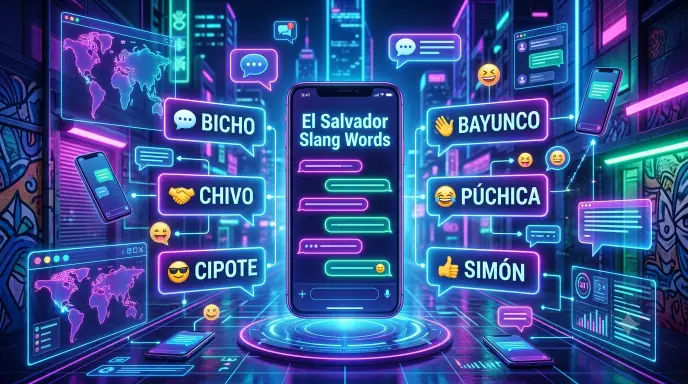
El Salvador slang words are informal expressions commonly used by people in El Salvador during everyday conversations, texting, and social media. These words often have meanings that differ from standard Spanish, so understanding the context is important.
Many travelers, Spanish learners, and people with Salvadoran friends search for El Salvador slang words to better understand local conversations and communicate more naturally.
If you see these expressions on TikTok, Instagram, Facebook, YouTube, or in text messages, knowing their meanings can help you avoid confusion. This guide explains the most common El Salvador slang words, how they are used,if they are polite or rude, and when you should avoid using them.
Quick Answer:El Salvador Slang
El Salvador slang words are informal Salvadoran Spanish expressions used in daily conversations. They reflect the country’s culture, humor, and local way of speaking, and many have meanings that differ from standard Spanish.
━━━━━━━━━━━━━━━━━━━━━━━━━━━━━━━━━━━━━━━━━━
What Does El Salvador Slang Words Mean in Text?
El Salvador slang words are casual words and phrases used by Salvadorans in informal communication. They appear in face to face conversations, text messages, social media posts, and online chats.
Unlike standard Spanish, these expressions often carry local meanings that may not be understood in other Spanish speaking countries.
People use Salvadoran slang to:
- Speak more naturally.
- Express emotions.
- Add humor to conversations.
- Show cultural identity.
- Build closer relationships with friends and family.
The meaning of a slang word depends on the situation, the speaker’s tone, and the relationship between the people involved.
━━━━━━━━━━━━━━━━━━━━━━━━━━━━━━━━━━━━━━━━━━
Full Form or Definition of El Salvador Slang Words
El Salvador slang words do not have a full form because they are not abbreviations. Instead, they are informal vocabulary and expressions unique to Salvadoran Spanish.
Many of these words:
- Have different meanings from standard Spanish.
- Are understood mainly in El Salvador.
- Reflect local culture and traditions.
- Change slightly between generations and regions.
Learning these expressions helps you understand how Salvadorans communicate in real life rather than only through textbook Spanish.
━━━━━━━━━━━━━━━━━━━━━━━━━━━━━━━━━━━━━━━━━━
Most Common El Salvador Slang Words
Here are some of the most popular Salvadoran slang words and what they generally mean.
| Slang Word | Meaning | Tone |
| Maje | Dude, friend, guy | Casual |
| Chivo | Cool, great | Positive |
| Bicho / Bicha | Kid or young person | Friendly |
| Cipote / Cipota | Child or youngster | Neutral |
| Púchica | Expression of surprise or frustration | Mild |
| Cabal | Exactly, that’s right | Positive |
| Vaya pues | Okay then, alright | Casual |
| Chucho | Dog (common informal word) | Neutral |
| Bayunco | Unsophisticated or awkward person | Can be negative |
| Chero | Close friend or buddy | Friendly |
While these meanings are widely recognized, usage can vary between communities and generations.
━━━━━━━━━━━━━━━━━━━━━━━━━━━━━━━━━━━━━━━━━━
Different Meanings of Popular El Salvador Slang Words
Some Salvadoran slang words have more than one meaning depending on the conversation.
Maje
“Maje” is one of the best known Salvadoran slang words.
It commonly means:
- Friend
- Dude
- Guy
Among close friends, it is usually friendly.
Example:
“Hey, maje! How have you been?”
However, if spoken with an angry tone, it may sound disrespectful.
Chivo
“Chivo” usually means something is good, cool, or enjoyable.
Example:
“That concert was chivo.”
Meaning:
“That concert was really great.”
Bicho
In El Salvador, “bicho” often refers to a child or young person.
Example:
“When I was a bicho, I played soccer every day.”
This meaning is different from some other Spanish speaking countries, where the word may have another interpretation.
Chero
“Chero” means a close friend or trusted buddy.
Example:
“I’m meeting my chero after work.”
It is a warm and positive expression commonly heard in everyday conversations.
━━━━━━━━━━━━━━━━━━━━━━━━━━━━━━━━━━━━━━━━━━
Is El Salvador Slang Rude, Offensive, or Neutral?
Most El Salvador slang words are neutral or friendly when used correctly. However, some expressions can become rude depending on the speaker’s tone and the relationship between the people involved.
For example:
- “Chero” is almost always friendly.
- “Maje” is usually friendly among friends but may sound offensive during an argument.
- “Bayunco” can be insulting if used to criticize someone.
If you are learning Salvadoran Spanish, it is best to understand the context before using unfamiliar slang.
When speaking with teachers, employers, or people you do not know well, standard Spanish is usually the safer choice.
━━━━━━━━━━━━━━━━━━━━━━━━━━━━━━━━━━━━━━━━━
Where Are El Salvador Slang Words Commonly Used?
Salvadoran slang appears in many everyday situations.
Everyday Conversations
Friends and family often use slang during casual conversations because it sounds more natural than formal Spanish.
Text Messages
Many slang expressions appear in private chats because they are short, familiar, and easy to understand.
Example:
“¿Qué onda, chero?”
Meaning:
“What’s up, buddy?”
Social Media
El Salvador slang words frequently appear on:
- TikTok
- YouTube
- X (formerly Twitter)
Content creators often use local expressions to connect with Salvadoran audiences and make their content feel authentic.
Gaming and Online Communities
Some Salvadoran gamers use local slang while chatting on Discord or playing multiplayer games.
These conversations may mix Salvadoran expressions with English gaming terms.
━━━━━━━━━━━━━━━━━━━━━━━━━━━━━━━━━━━━━━━━━━
Real Life Examples of El Salvador Slang Words
Understanding Salvadoran slang becomes much easier when you see how native speakers use it in everyday situations. The examples below show different tones and contexts.
Friendly Conversation
Friend 1: “¡Qué onda, chero!”
Friend 2: “Todo bien. ¿Y vos?”
Meaning:
Friend 1: “What’s up, buddy?”
Friend 2: “Everything’s good. And you?”
In this conversation, “chero” is a friendly way to address a close friend.
Casual Text Message
Person A:
“¿Vamos al partido esta tarde?”
Person B:
“¡De una, maje!”
Meaning:
Person A: “Are we going to the game this afternoon?”
Person B: “Absolutely, dude!”
Here, “maje” creates a relaxed and friendly tone.
Social Media Example
Instagram Caption:
“Qué chivo estuvo el concierto anoche.”
Meaning:
“The concert last night was so awesome.”
Many Salvadoran users include words like “chivo” in captions because they sound more natural than formal Spanish.
Argumentative Situation
Person A:
“Siempre llegás tarde.”
Person B:
“Calmate, maje.”
Depending on the speaker’s tone, “maje” can sound friendly or slightly disrespectful during an argument.
Tone is one of the most important parts of understanding Salvadoran slang.
Gaming Chat Example
Player 1:
“Ese nivel estuvo bien chivo.”
Player 2:
“Sí, pero el último jefe fue difícil.”
Meaning:
Player 1: “That level was really cool.”
Player 2: “Yeah, but the final boss was difficult.”
Online gaming communities often mix Salvadoran slang with international gaming vocabulary.
━━━━━━━━━━━━━━━━━━━━━━━━━━━━━━━━━━━━━━━━━━
Origin and Background of El Salvador Slang Words
Salvadoran slang developed naturally through everyday communication over many generations. It reflects the country’s history, regional identity, and cultural traditions.
Several influences helped shape Salvadoran Spanish, including:
- Local dialects.
- Indigenous linguistic influences, particularly from Nahuat.
- Regional Central American Spanish.
- Migration and international communities.
- Modern internet culture.
Because slang usually begins in spoken language, it is often difficult to identify the exact origin of individual expressions.
Some words have been used for decades, while others became popular more recently through music, television, and social media.
━━━━━━━━━━━━━━━━━━━━━━━━━━━━━━━━━━━━━━━━━━
El Salvador Slang Words Compared With Other Spanish Slang
Although Spanish is spoken across many countries, slang changes from one region to another.
The same idea may be expressed with completely different words depending on the country.
| Meaning | El Salvador | Mexico | Puerto Rico |
| Friend | Chero | Compa | Pana |
| Dude | Maje | Güey | Mano |
| Cool | Chivo | Padre | Brutal |
| Child | Bicho | Chamaco | Nene |
These differences make regional slang interesting, but they can also confuse Spanish learners.
Learning local expressions helps you understand conversations more naturally.
━━━━━━━━━━━━━━━━━━━━━━━━━━━━━━━━━━━━━━━━━━
Comparison With Similar Central American Slang
El Salvador shares some vocabulary with neighboring countries, but many expressions remain unique.
| Country | Popular Informal Word | Meaning |
| El Salvador | Maje | Dude, friend |
| Honduras | Maje | Dude, friend |
| Nicaragua | Mae or Maje | Friend, guy |
| Costa Rica | Mae | Dude, buddy |
| Guatemala | Cerote (context varies) | Informal expression; often offensive depending on tone |
Even when two countries use the same word, the tone and frequency may differ.
Never assume a slang word has the same meaning everywhere.
━━━━━━━━━━━━━━━━━━━━━━━━━━━━━━━━━━━━━━━━━━
When Should You Avoid Using El Salvador Slang Words?
Salvadoran slang is best suited for informal situations.
Avoid using slang when:
- Writing professional emails.
- Speaking in business meetings.
- Talking with teachers or supervisors.
- Communicating with people you do not know well.
- Using words whose meaning you are unsure about.
Some slang expressions are appropriate only among close friends.
If you are visiting El Salvador or learning Spanish, listening first is often better than trying to use unfamiliar slang immediately.
━━━━━━━━━━━━━━━━━━━━━━━━━━━━━━━━━━━━━━━━━━
Polite Alternatives to El Salvador Slang Words
If you are speaking in a formal setting, standard Spanish is usually the better choice.
| Slang Word | Neutral Alternative |
| Maje | Amigo, señor, persona |
| Chivo | Excelente, muy bueno |
| Chero | Amigo |
| Bicho | Niño, joven |
| Púchica | Vaya, qué sorpresa |
Using standard Spanish helps avoid misunderstandings, especially in workplaces, schools, or professional environments.
━━━━━━━━━━━━━━━━━━━━━━━━━━━━━━━━━━━━━━━━━━
Why People Use El Salvador Slang Words
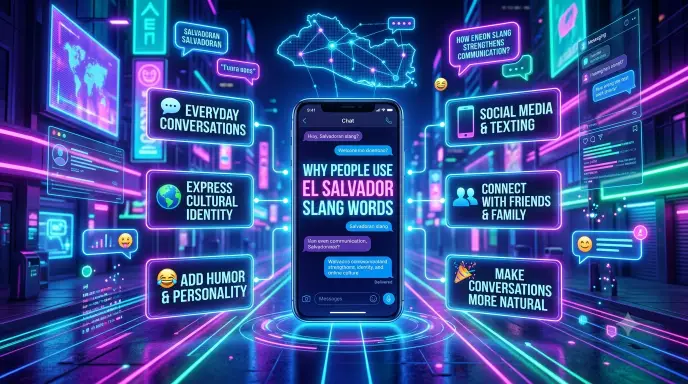
Salvadoran slang is about more than shortening words. It reflects identity, community, and everyday life.
People use these expressions to:
- Sound natural.
- Show friendship.
- Express emotions.
- Create humor.
- Connect with Salvadoran culture.
- Feel part of their community.
For Salvadorans living abroad, local slang can also help maintain a connection with their home country and cultural roots.
━━━━━━━━━━━━━━━━━━━━━━━━━━━━━━━━━━━━━━━━━━
Impact of Using El Salvador Slang Words in Communication
Using El Salvador slang words can make conversations sound more friendly and natural. They help speakers express emotions, build relationships, and show their cultural identity.
When used correctly, Salvadoran slang can:
- Make conversations feel more relaxed.
- Help people connect with local speakers.
- Show familiarity with Salvadoran culture.
- Add humor and personality to everyday communication.
However, using slang without understanding its meaning or tone may lead to confusion. Some words that sound friendly among close friends may seem rude when used with strangers.
For this reason, it is always best to learn the context before using a new slang expression.
━━━━━━━━━━━━━━━━━━━━━━━━━━━━━━━━━━━━━━━━━━
Are El Salvador Slang Words Safe for Social Media?
Yes, most El Salvador slang words are safe to use on social media when they are used respectfully and in the right context.
They commonly appear on:
- TikTok
- YouTube
- Discord
- Messenger
Many Salvadoran creators use local slang to make their content feel authentic and relatable. However, remember that not everyone understands regional expressions.
If your audience is international, consider explaining unfamiliar slang so your message is clear to everyone.
━━━━━━━━━━━━━━━━━━━━━━━━━━━━━━━━━━━━━━━━━━
Common Misunderstandings About El Salvador Slang Words
Many people new to Salvadoran Spanish make similar mistakes. Understanding these can help you avoid confusion.
Every Salvadoran Uses the Same Slang
This is not true.
Language varies by:
- Region
- Age
- Family
- Social group
A word commonly used in San Salvador may be less common in another part of the country.
Slang Has Only One Meaning
Some slang words change meaning depending on the situation and the speaker’s tone.
For example, “maje” can be a friendly greeting between close friends or sound disrespectful during an argument.
Salvadoran Slang Works Everywhere
Not necessarily.
Spanish slang changes from country to country. A word that sounds friendly in El Salvador may be unfamiliar or have a completely different meaning elsewhere.
Understanding regional differences is an important part of learning Spanish.
━━━━━━━━━━━━━━━━━━━━━━━━━━━━━━━━━━━━━━━━━━
Tips for Learning El Salvador Slang Words
If you want to understand Salvadoran Spanish more naturally, focus on how native speakers actually communicate.
Helpful tips include:
- Listen to native speakers in everyday conversations.
- Watch Salvadoran YouTube channels and podcasts.
- Follow Salvadoran creators on TikTok and Instagram.
- Read comments on local social media posts.
- Learn one expression at a time.
- Pay attention to the speaker’s tone and the situation.
Remember that context is often more important than the direct translation.
━━━━━━━━━━━━━━━━━━━━━━━━━━━━━━━━━━━━━━━━━━
Frequently Asked Questions
Q1. What are El Salvador slang words?
El Salvador slang words are informal Spanish expressions commonly used by people in El Salvador during everyday conversations, texting, and social media.
Q2. What is the most common slang word in El Salvador?
One of the best known Salvadoran slang words is “maje,” which usually means “dude,” “guy,” or “friend,” depending on the context and tone.
Q3. Is Salvadoran slang different from Mexican slang?
Yes. Although both are forms of Spanish, each country has its own slang, pronunciation, and cultural expressions. A word common in El Salvador may not be used in Mexico.
Q4. Are El Salvador slang words rude?
Most are friendly or neutral. However, some expressions can become offensive if used with the wrong tone or in the wrong situation.
Q5. Can tourists use Salvadoran slang?
Yes, but it is best to understand the meaning and context first. Listening to native speakers before using new expressions can help you avoid misunderstandings.
Q6. Where can I learn more El Salvador slang words?
You can learn from conversations with native speakers, Salvadoran TV shows, YouTube videos, podcasts, social media content, and language learning resources that focus on Central American Spanish.
Q7. What slang do Salvadorans use?
Salvadorans commonly use slang such as bicho (kid), chivo (cool), puchica (wow), and cipote (child) in everyday conversations.
Q8. How do you say “cool” in El Salvador?
In El Salvador, people often say chivo to mean “cool,” “great,” or “awesome.”
Q9. What does bicho mean in Salvadoran?
In Salvadoran slang, bicho usually means a kid, young person, or someone. The exact meaning depends on the context.
Q10. Do Salvadorans say Vos?
Yes, Salvadorans commonly use vos instead of tú in everyday speech when talking to friends, family, and people they know well.
━━━━━━━━━━━━━━━━━━━━━━━━━━━━━━━━━━━━━━━━━━
Conclusion:
El Salvador slang words are an important part of everyday communication and local culture. They help people express emotions, build friendships, and speak in a natural, relaxed way.
While many expressions are friendly and easy to learn, their meaning often depends on context, tone, and the relationship between the speakers.
If you’re learning Spanish, planning a trip to El Salvador, or simply curious about regional expressions, understanding Salvadoran slang will help you communicate with greater confidence.
Start with the most common words, pay attention to how native speakers use them, and remember that respectful use of slang is always the best approach.
━━━━━━━━━━━━━━━━━━━━━━━━━━━━━━━━━━━━━━━━━━