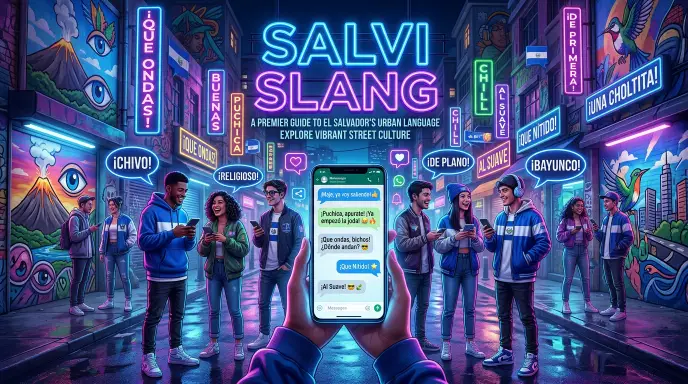
Salvi slang refers to informal words and expressions connected with Salvadoran Spanish and the way people from El Salvador, especially younger speakers and online communities, use language casually.
The meaning of salvi slang can change depending on the word, region, age group, and conversation context.
People search for salvi slang because they want to understand phrases they see on TikTok, Instagram, Snapchat, Reddit, texting apps, or hear in conversations with Salvadoran friends. Some terms are friendly expressions, while others may carry cultural meanings that outsiders might not understand immediately.
This guide explains what salvi slang means, where it comes from, how people use it, and how to recognize the tone behind different expressions.
Quick Answer:
Salvi slang means informal Salvadoran expressions and casual Spanish words used in everyday conversations. It often reflects Salvadoran culture, humor, identity, and local ways of speaking.
What Does Salvi Slang Mean in Text?
Salvi slang means the casual language style used by Salvadorans when communicating with friends, family, and online communities. The word “Salvi” is an informal nickname for someone or something from El Salvador.
In text messages and social media, salvi slang often includes:
- Shortened Spanish words
- Local expressions from El Salvador
- Friendly nicknames
- Cultural phrases
- Humorous ways of speaking
Unlike formal Spanish, slang is more relaxed. People use it to sound natural, show personality, and connect with others who share the same background.
For example, a Salvadoran person might use a local expression with friends because it feels more personal than standard Spanish.
The meaning of a salvi slang term depends heavily on context. A word that sounds strange to someone unfamiliar with Salvadoran culture may be completely normal among native speakers.
Salvi Slang Full Form and Definition
What Does “Salvi” Stand For?
“Salvi” is a casual shortened form of “Salvadoran,” meaning someone or something related to El Salvador.
It can refer to:
- A person from El Salvador
- Salvadoran culture
- Salvadoran food, music, or traditions
- Salvadoran Spanish expressions
The term is commonly used informally, especially among Salvadorans living abroad.
For example:
“My cousin is Salvi.”
This means:
“My cousin is Salvadoran.”
However, when people say “Salvi slang,” they are usually talking about informal Salvadoran words and expressions rather than one specific slang word.
Different Meanings of Salvi Slang
Salvi slang does not have only one fixed meaning. It describes a group of expressions rather than a single term.
Different types of salvi slang include:
Cultural Identity Slang
Some expressions show pride in Salvadoran culture and connection.
These words may appear in:
- Family conversations
- Community events
- Social media posts
- Messages between Salvadoran friends
They help people feel connected to their heritage.
Friendly Conversation Slang
Many salvi expressions are simply casual ways to talk with friends.
They may include:
- Nicknames
- Greetings
- Jokes
- Playful teasing
The goal is often to create a relaxed and familiar feeling.
Online Salvi Slang
Younger Salvadorans may combine traditional expressions with internet language.
This can happen on:
- TikTok comments
- Instagram captions
- Snapchat messages
- Discord chats
- Group texts
Online communication often makes slang spread faster between countries and generations.
Is Salvi Slang Rude, Offensive, or Neutral?
Most salvi slang is neutral or friendly. Many expressions are simply a natural part of everyday Salvadoran communication.
However, some terms can become offensive depending on:
- The speaker’s intention
- The relationship between people
- The situation
- The specific word being used
A phrase that sounds playful between close friends may feel disrespectful when used by someone outside the culture.
Before using unfamiliar salvi slang, consider:
- Do native speakers commonly use this word?
- Is it friendly or insulting?
- Do I understand the cultural meaning behind it?
Using slang from another culture without understanding the context can sometimes create misunderstandings.
Where Is Salvi Slang Commonly Used?
Salvi slang is mainly used in El Salvador and among Salvadoran communities around the world.
In Everyday Conversations
People use these expressions when talking with:
- Friends
- Family members
- Neighbors
- Community members
Casual speech often includes more slang than formal writing.
On Social Media
Salvadoran slang appears frequently on platforms such as:
- TikTok
- Snapchat
Users may include slang in captions, comments, and videos to express personality and cultural identity.
In Text Messages
Texting encourages shorter and more casual communication.
People may use slang because it feels:
- Faster
- More natural
- More personal
In Gaming and Online Communities
Some Salvadoran gamers use local slang while chatting on platforms like Discord or online games.
In these spaces, slang mixes with international gaming terms, creating a unique style of communication.
Why Do People Use Salvi Slang?
People use salvi slang for many reasons beyond simply shortening words.
To Show Cultural Connection
Slang can represent identity and belonging. Salvadorans may use local expressions to show pride in their background.
To Sound Natural
Formal Spanish can sound too serious in casual conversations. Slang makes communication feel more relaxed.
To Create Humor
Many slang expressions are playful. They help friends joke and build relationships.
To Connect With Others
Shared slang creates a sense of community. People who understand the same expressions often feel a stronger connection.
Real Life Examples of Salvi Slang Usage
Salvi slang is best understood through context. The same expression can feel different depending on who says it, who hears it, and the situation.
Here are realistic examples showing different tones.
Friendly Conversation
Example:
“Qué onda, maje, ¿cómo estás?”
Meaning:
“What’s up, dude, how are you?”
In many Salvadoran conversations, words like “maje” can be friendly among people who know each other well. However, the tone and relationship matter because the same word can sound disrespectful in another situation.
Casual Text Message
Example:
“Voy para allá, espérame un rato.”
A friend may use casual Salvadoran expressions while texting because informal language feels quicker and more natural.
Social Media Context
Example:
A Salvadoran creator posts a TikTok video using local expressions in the caption.
The slang helps the audience recognize cultural humor and makes the content feel more authentic.
Argumentative Situation
Example:
Two people may use the same slang word during an argument, but the tone can change the meaning completely.
A playful nickname between friends can become an insult when said angrily.
This shows why understanding context is more important than memorizing a single definition.
Popular Salvi Slang Words and Expressions
Salvadoran Spanish contains many informal expressions. Their meanings may vary by region and personal usage.
| Salvi Expression | General Meaning | Tone |
| Maje | Friend, dude, person | Casual; can vary by tone |
| Chivo | Cool, great, impressive | Positive |
| Púchica | Expression of surprise or frustration | Mild |
| Bicho/Bicha | Kid, young person | Informal |
| Cipote/Cipota | Child or young person | Common regional term |
| Vaya pues | Okay then, alright | Casual |
| Cabal | Exactly, that’s right | Informal agreement |
These words are examples of Salvadoran style informal speech, but not every Salvadoran uses every expression. Language choices can differ between families, cities, generations, and communities.
Origin and Background of Salvi Slang
Salvi slang developed from the everyday Spanish spoken in El Salvador. Like many regional varieties of language, it was shaped by history, local culture, and contact with different communities.
Salvadoran Spanish includes influences from:
- Indigenous languages, especially Nahuat related influences
- Regional Central American Spanish
- Local traditions and humor
- Migration and international communities
Many slang expressions started through spoken communication rather than written sources. This makes it difficult to identify the exact first use of many terms.
Some expressions have existed for generations, while others become popular through music, television, and social media.
It is also common for Salvadorans living outside El Salvador to mix traditional slang with English words, especially in communities in the United States.
Salvi Slang vs Other Spanish Slang
Spanish slang changes from country to country. A word that is common in El Salvador may have a different meaning somewhere else.
| Region | Example Style | Difference |
| El Salvador | Salvi slang | Local Salvadoran expressions |
| Mexico | Mexican slang | Different words and cultural references |
| Puerto Rico | Caribbean slang | Influenced by Caribbean Spanish |
| Argentina | Rioplatense slang | Unique local vocabulary |
Spanish is spoken in many countries, but slang is strongly connected to local culture.
This is why someone learning Spanish should not assume that every slang word works the same everywhere.
Comparison With Similar Slang Terms
Some slang terms from different Spanish speaking communities may express similar ideas.
| Meaning | El Salvador Style | Other Spanish Variations |
| Friend | Maje | Amigo, pana, compa |
| Cool | Chivo | Genial, chévere, padre |
| Kid | Cipote | Niño, chico, chamaco |
These comparisons help learners understand that slang depends on location and community.
A person who speaks Spanish fluently may still need cultural knowledge to understand regional slang.
When Should You Avoid Using Salvi Slang?
Salvi slang is usually casual, so it may not fit every situation.
Avoid using unfamiliar salvi expressions when:
- Writing formal emails.
- Speaking in professional meetings.
- Communicating with people you do not know well.
- Using words whose meaning you are unsure about.
Some expressions depend heavily on friendship and familiarity. A word used between Salvadoran friends may sound inappropriate when used by a stranger.
If you are learning Salvadoran Spanish, it is better to understand how native speakers use a term before adding it to your own vocabulary.
Polite Alternatives to Salvi Slang
If you are unsure whether a slang word is appropriate, standard Spanish is usually safer.
Examples:
| Informal Style | More Neutral Alternative |
| Maje | Amigo / persona |
| Chivo | Bueno / excelente |
| Cipote | Niño / joven |
Neutral language works better in:
- School settings
- Workplaces
- Formal conversations
- Professional writing
Slang is useful for casual communication, but formal situations usually require clearer language.
Is Salvi Slang Safe for Social Media?
Salvi slang is generally safe for social media when used respectfully and with cultural understanding.
It commonly appears in:
- TikTok videos
- Instagram captions
- Facebook posts
- YouTube content
- Online conversations
However, users should remember that social media reaches people from different backgrounds. A phrase that is funny within one community may be misunderstood by another audience.
Good social media communication depends on:
- Understanding the meaning
- Knowing the audience
- Using the right tone
Impact of Using Salvi Slang in Communication
Salvi slang can make communication feel more personal and connected. When people use expressions from their own culture, it often creates a sense of familiarity and belonging.
For Salvadoran communities, slang can help preserve cultural identity. It allows people to share humor, traditions, and everyday experiences through language.
However, using slang also requires awareness. A person who does not understand the cultural background behind a word may use it incorrectly or give it a different meaning.
The impact of salvi slang depends on:
- The relationship between speakers.
- The situation where it is used.
- The audience listening or reading.
- The speaker’s understanding of the expression.
Slang works best when it supports communication rather than creating confusion.
Why Salvi Slang Is Popular Online
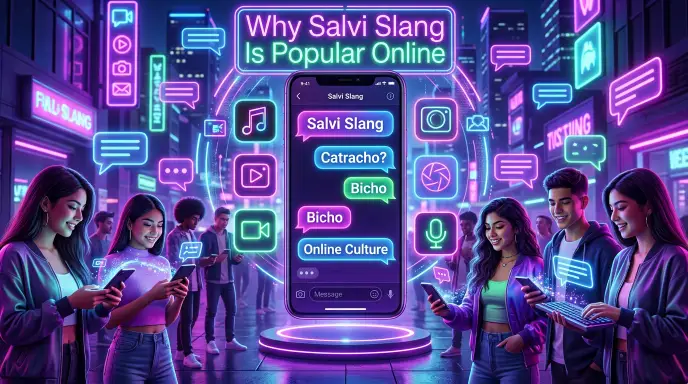
Social media has helped regional slang reach people outside its original location. Salvadorans living in different countries can still use familiar expressions through online communication.
Platforms such as TikTok, Instagram, and Snapchat allow users to share:
- Cultural jokes
- Family expressions
- Local humor
- Language trends
Younger generations often mix traditional Salvadoran slang with internet language. For example, someone may use a Salvadoran expression while also using common online terms from gaming or social media.
This creates a modern style of communication that combines local culture with global internet trends.
Common Misunderstandings About Salvi Slang
Many people misunderstand regional slang because they look for one fixed definition. In reality, slang depends on culture and context.
Salvi Slang Is Not One Single Word
A common mistake is thinking “Salvi slang” refers to one specific expression.
Actually, it describes a collection of informal Salvadoran words and phrases.
Every Salvadoran Uses the Same Slang
This is not true. Language can vary between:
- Different regions
- Age groups
- Families
- Social circles
A teenager in San Salvador may use different expressions from an older speaker in another area.
Slang Always Has the Same Meaning
The meaning of slang can change depending on tone.
A friendly expression between close friends may sound rude when used by someone unfamiliar with the culture.
How to Understand Salvi Slang Better
Learning salvi slang is not only about memorizing words. It is about understanding how people use them.
Helpful ways to learn include:
- Listening to native speakers.
- Watching Salvadoran content creators.
- Paying attention to context.
- Learning the cultural background.
- Asking native speakers about meanings.
Language learners should focus on the feeling behind the expression, not only the direct translation.
A slang word may communicate friendship, humor, surprise, respect, or frustration depending on the situation.
Frequently Asked Questions
Q1. What does salvi slang mean?
Salvi slang means informal Salvadoran expressions used in casual conversations, texting, and online communication. It reflects Salvadoran culture, humor, and everyday speech.
Q2. What does Salvi stand for?
Salvi is a casual short form of Salvadoran, referring to people, culture, or things connected to El Salvador.
Q3. Is salvi slang only used in El Salvador?
No. Salvi slang is also used among Salvadoran communities living in other countries, especially in places with large Salvadoran populations.
Q4. Is salvi slang rude?
Most salvi slang is not rude. However, some expressions can sound offensive depending on the word, tone, and relationship between speakers.
Q5. Where can I see salvi slang online?
You may see salvi slang on platforms like TikTok, Instagram, Snapchat, Facebook, Reddit, and messaging apps where Salvadoran users share content.
Q6. Can non Salvadorans use salvi slang?
Yes, but they should learn the meaning and context first. Using cultural slang without understanding it can sometimes lead to misunderstandings.
Q7. What does salvi mean?
“Salvi” is an informal term used for Salvadorans, referring to people from El Salvador. It is often used casually and can show cultural pride.
Q8. Is catracho a bad word?
No, “catracho” is not a bad word. It is a friendly slang term for a person from Honduras and is commonly used with pride.
Q9. What are Salvadoran slang words?
Common Salvadoran slang words include bicho (kid/person), chivo (cool/great), puchica (expression of surprise), and cipote (child or young person).
Q10. What does bicho mean in Salvadoran?
In Salvadoran slang, bicho usually means a kid, young person, or someone. The meaning can change depending on the context and region.
Conclusion
Salvi slang is more than a collection of informal words. It represents the everyday communication style, humor, and cultural identity connected with El Salvador. These expressions help people create stronger connections with friends, family, and communities.
The meaning of salvi slang depends on context, tone, and the relationship between speakers. Some terms are friendly and playful, while others may need careful use because meanings can change.
If you are learning Spanish, communicating with Salvadoran friends, or exploring online culture, understanding salvi slang can help you recognize the personality and cultural meaning behind the words. The best way to use slang is with respect, awareness, and a clear understanding of the situation.